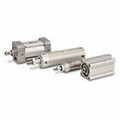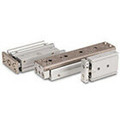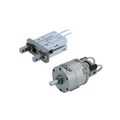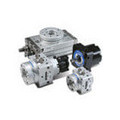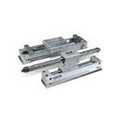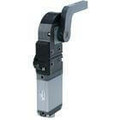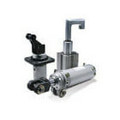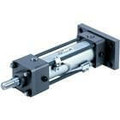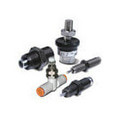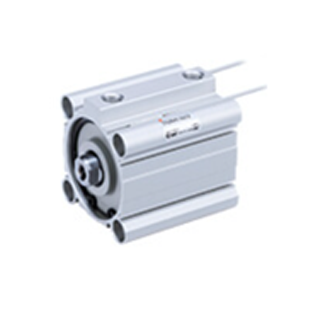
Pneumatic & Electric Actuators
Precision Motion Control & Mechanical Force Generation
Actuators function as the "muscles" of machinery, converting energy into precise motion. From simple adjustments to complex robotic systems, selecting the right energy source—pneumatic, electric, or hydraulic—is critical for operational efficiency.
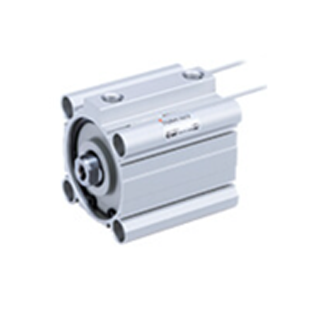
Pneumatic Actuators
Utilize compressed air to exert force. These are the industry standard for clean, reliable, and cost-effective automation tasks.
Electric Actuators
Convert electrical energy into motion. Favored for high-precision linear movement and sophisticated control capabilities.
Hydraulic & Specialty
Hydraulic units handle heavy-duty tasks with high force output, while piezoelectric types offer finely tuned micro-movements.
Choosing the Right Actuator
1. Motion Requirements
Identify if your application requires Linear (straight line) or Rotary (turning) motion. This fundamental choice dictates the core mechanics of your machinery.
2. Environmental & Load
Assess external factors like dust, moisture, and temperature. Ensure the actuator's load capacity exceeds your operational demands to prevent faltering.
3. Precision & Speed
For high-speed automation, select units with high repeatability. Precise control systems ensure consistent cycles and reliable product quality.
Technical FAQ
Pneumatic actuators are preferred for washdown areas as they can be manufactured with stainless steel (SUS304/316) components and lack sensitive electronics.
Electric linear actuators with servo or stepper motor control offer the highest level of positioning accuracy and multi-point repeatability.
Our engineering team can help you calculate force and load requirements to size the perfect SMC actuator for your machinery. Contact us here.